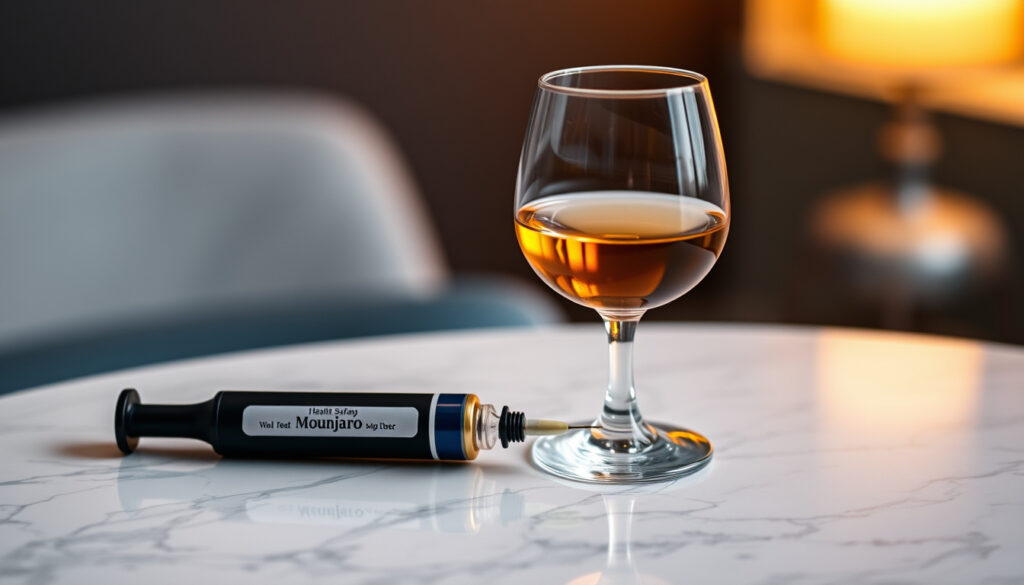
Can You Drink Alcohol on Mounjaro – Safety, Effects and Tips
Mounjaro (tirzepatide) has become a widely prescribed option for managing type 2 diabetes and supporting weight loss efforts. As with any medication, patients naturally wonder about lifestyle factors that might affect their treatment. One common question involves alcohol consumption during treatment. Understanding the relationship between Mounjaro and alcohol can help patients make informed decisions about their health while balancing social habits with their wellness goals.
The medication works as a dual GLP-1 and GIP receptor agonist, mimicking hormones that regulate blood sugar and appetite. This mechanism influences how the body processes both food and certain substances, including alcoholic beverages. While the medication itself has no direct pharmacokinetic interaction with alcohol, the combination can produce indirect effects that may impact treatment outcomes and overall wellbeing.
Healthcare providers generally advise caution rather than complete abstinence, though individual circumstances vary. Patients taking Mounjaro should understand both the potential risks and the strategies that can minimize complications if they choose to consume alcohol occasionally.
Can You Drink Alcohol While Taking Mounjaro for Weight Loss?
The short answer is that moderate alcohol consumption is not strictly prohibited for most people taking Mounjaro, but caution is strongly advised. Eli Lilly, the manufacturer of Mounjaro, states that they have not evaluated tirzepatide in combination with alcohol use, meaning no official safety data exists to confirm either safety or danger. This lack of formal evaluation means patients rely on general medical guidance and reported side effects from clinical practice.
Unlike some medications that directly interact with alcohol by affecting how the liver metabolizes substances, tirzepatide does not work through that mechanism. However, both alcohol and Mounjaro independently affect the gastrointestinal system, creating a compounded effect when used together. This shared pathway means that side effects like nausea, vomiting, and delayed stomach emptying tend to worsen with concurrent use.
No direct interaction exists between tirzepatide and alcohol, but the combined effect on digestion and blood sugar regulation creates meaningful risks that warrant careful consideration.
Overview of Alcohol Use on Mounjaro
Key Insights to Consider
- Tirzepatide has no direct pharmacokinetic interaction with alcohol, meaning the medication does not alter alcohol metabolism
- Both substances irritate the gastrointestinal tract, potentially amplifying common side effects like nausea and heartburn
- Alcohol inhibits liver glucose production, raising the risk of hypoglycemia particularly in patients using insulin or sulfonylureas alongside Mounjaro
- Dehydration risk increases when combining alcohol with a medication that already suppresses thirst mechanisms
- Serious complications including pancreatitis, kidney injury, and gallbladder issues have been reported, especially with heavy drinking
- Sleep quality often worsens with alcohol use, which can indirectly affect weight loss by increasing hunger hormones
- Individual responses vary significantly based on dosage, overall health, and personal tolerance levels
Quick Facts Snapshot
| Factor | Status |
|---|---|
| Direct interaction with alcohol | None confirmed |
| Impact on weight loss goals | Negative – increases appetite and calories |
| Recommended consumption level | Occasional and moderate |
| GI side effect amplification | Yes – nausea, vomiting, reflux may worsen |
| Hypoglycemia risk elevation | Yes – particularly with diabetes medications |
| Manufacturer prohibition | None – but no formal evaluation conducted |
What Is the Best Alcohol to Drink on Mounjaro?
For patients who choose to consume alcohol while on Mounjaro, beverage selection matters significantly. The goal is minimizing sugar content, limiting calorie intake, and reducing the strain on an already challenged digestive system. Not all alcoholic drinks carry equal risks when combined with this medication.
Recommended Drink Choices
Healthcare professionals suggest prioritizing options that are low in sugar and lower in alcohol content. These choices place less metabolic strain on the body and are less likely to trigger the gastrointestinal side effects that tirzepatide commonly produces.
- Dry wine: A 5-ounce glass of dry wine contains approximately 120-130 calories with minimal residual sugar, making it one of the better options for moderate consumption
- Light beer: Lower in alcohol and calories than regular beer, light varieties offer a lower-risk alternative when consumed in moderation
- Spirits with soda water: Clear spirits like vodka, gin, or rum mixed with soda water and a squeeze of lime provide a low-calorie, low-sugar option
- Straight spirits in small amounts: Vodka, gin, whiskey, and similar spirits without sugary mixers contain no carbohydrates
Beverages to Avoid
Certain drink types present higher risks when combined with Mounjaro. Patients should be particularly cautious with options that contain significant sugar or high alcohol content, as both factors can intensify side effects and complicate blood sugar management.
- Sugary cocktails: Drinks containing juice, simple syrup, soda, or cream can contain 30-50 grams of sugar per serving, significantly impacting blood glucose and appetite regulation
- High-alcohol beverages: Spirits above 40% alcohol content deliver concentrated doses that may overwhelm the digestive system
- Sweet wines and liqueurs: These combine high sugar content with elevated alcohol levels, creating a double concern for patients on tirzepatide
- Beer with high ABV: Craft and strong beers can contain twice the alcohol and calories of standard varieties
The American Diabetes Association recommends limiting alcohol to no more than 1 drink per day for women and 2 drinks per day for men. One standard drink equals 12 ounces of beer, 5 ounces of wine, or 1.5 ounces of spirits. Following these limits provides a reasonable framework for occasional consumption while on Mounjaro.
When to Exercise Maximum Caution
Certain periods during Mounjaro treatment warrant heightened awareness regarding alcohol consumption. The dose titration phase, when patients are adjusting to higher doses, represents one such period when side effects often peak. During these initial weeks at each dose level, the gastrointestinal system experiences the most significant adjustment, making it particularly vulnerable to additional stressors.
Patients should always consume alcohol with food rather than on an empty stomach, as food helps slow absorption and provides some buffer against digestive irritation. Staying well-hydrated throughout any drinking session helps counteract alcohol’s dehydrating effects, which can otherwise exacerbate headaches and fatigue associated with both hangover and tirzepatide side effects.
Does Mounjaro Affect Alcohol Hangover, Tolerance, or Cravings?
Many patients wonder whether tirzepatide changes their experience with alcohol beyond the immediate side effects. While formal research specifically examining hangover severity or alcohol tolerance changes while on Mounjaro remains limited, several patterns emerge from clinical reports and patient experiences.
Effects on Alcohol Cravings
Perhaps surprisingly, some patients report reduced alcohol cravings while taking tirzepatide. This effect likely relates to the medication’s mechanism of action on appetite regulation and reward pathways. By dampening signals related to hunger and food reward, the medication may similarly influence cravings for other substances, including alcohol. Research suggests that some individuals experience lower consumption patterns as a result.
This reduced craving effect can be beneficial for patients whose weight loss goals align with decreasing alcohol intake. However, patients should not assume this effect will occur, as individual responses to tirzepatide vary considerably. Some individuals maintain their previous drinking patterns without noticeable changes in desire.
Hangover Severity
No specific data addresses whether tirzepatide makes hangovers more severe, but several factors suggest that combined effects may intensify the morning after drinking. Both alcohol and tirzepatide cause gastrointestinal disturbances that could compound when used together. Dehydration from alcohol consumption may be worsened by tirzepatide’s effects on fluid balance and thirst signaling.
The delayed gastric emptying that tirzepatide causes means alcohol absorption patterns may differ from usual, potentially creating unpredictable effects. Patients who drink while on Mounjaro should anticipate the possibility of more pronounced hangover symptoms than they might typically experience with equivalent alcohol amounts.
Alcohol Tolerance
Current evidence does not demonstrate that tirzepatide significantly alters alcohol tolerance in either direction. However, factors like reduced food intake due to the medication’s appetite-suppressing effects could lower tolerance indirectly. Patients who eat less while drinking because Mounjaro suppresses appetite may find they become intoxicated more quickly than expected.
The safest approach involves treating each drinking occasion as requiring careful attention to quantity, pacing, and personal response. Starting with smaller amounts than usual and monitoring how you feel provides a reasonable strategy for patients who occasionally consume alcohol on Mounjaro.
Those with a history of alcohol use disorder, pancreatitis, severe hypertriglyceridemia, or active liver disease should avoid alcohol entirely while on tirzepatide. These conditions present serious contraindications that make even moderate consumption risky. Pregnant patients should also abstain, as tirzepatide is not recommended during pregnancy.
What Do Mounjaro and Alcohol Reviews Say?
Patient experiences with Mounjaro and alcohol reveal considerable variation in outcomes. While some individuals report tolerating moderate alcohol consumption without significant issues, others describe amplified side effects even with small amounts. This diversity of experience underscores the importance of personal monitoring and individualized medical guidance.
Common Themes in Patient Reports
Anecdotal evidence from patient communities suggests several recurring patterns when combining Mounjaro with alcohol. Many users report heightened gastrointestinal symptoms following even modest alcohol consumption, including nausea that persists longer than typical hangover feelings. Clinical observations align with these reports, noting that the combination frequently intensifies common tirzepatide side effects.
Other patients describe experiencing what they perceive as reduced tolerance or more pronounced intoxication than expected from the amount consumed. This effect may relate to the interaction between alcohol’s depressive effects and tirzepatide’s influence on digestion and metabolism. Some individuals report that their desire to drink decreases while on the medication, supporting the observation that tirzepatide may affect reward-related cravings.
Factors Influencing Individual Response
Several variables appear to influence how any individual patient responds to alcohol while on Mounjaro. Current dosage level plays a significant role, with higher doses generally correlating with more pronounced side effects. The duration of time on the medication also matters, as patients who have completed dose escalation may tolerate alcohol differently than those still in early titration phases. For those managing related conditions, understanding how UK alcohol regulations apply to your situation may provide additional context.
Pre-existing health conditions substantially affect risk profiles. Patients with diabetes, particularly those using insulin or sulfonylureas, face elevated hypoglycemia risk when consuming alcohol. Those with gastrointestinal sensitivity or a history of reflux may find that even moderate alcohol consumption triggers significant discomfort. Understanding your personal health context helps determine appropriate boundaries.
Maintain open communication with your healthcare provider about alcohol consumption patterns. Discussing your typical intake allows for personalized advice that accounts for your specific health situation, medication regimen, and weight loss objectives. Report any concerning symptoms promptly, including severe nausea, vomiting, dehydration, or signs of pancreatitis.
Patterns Affecting Weight Loss Progress
For patients using Mounjaro specifically for weight management, alcohol presents multiple challenges beyond immediate side effects. Alcohol provides empty calories that contribute to daily intake without promoting satiety. Additionally, intoxication reduces inhibitions that might otherwise help maintain dietary discipline, potentially leading to overeating or poor food choices.
The connection between disrupted sleep and increased hunger deserves particular attention for weight loss patients. Alcohol consumption often impairs sleep quality, and poor sleep increases ghrelin (the hunger hormone) while decreasing leptin (the satiety hormone). This hormonal disruption can create a cycle of increased appetite that undermines weight loss efforts throughout the following day or days.
Patients prioritizing significant weight loss may find that limiting or eliminating alcohol accelerates their progress. However, those who choose to consume alcohol occasionally can still make progress by making informed choices about beverage selection, timing, and quantity. Guidance from healthcare sources emphasizes that individual assessment remains essential when balancing lifestyle preferences with treatment goals.
What Is Known and What Remains Unclear
Transparency about the limits of current knowledge helps patients make appropriate decisions while understanding the evidence basis for recommendations. Several aspects of the alcohol and Mounjaro relationship are well-established, while others require individual assessment due to limited research.
Established Information
- No direct pharmacokinetic interaction between tirzepatide and alcohol
- GI side effects amplify when both substances are used together
- Hypoglycemia risk increases with alcohol use, especially alongside insulin or sulfonylureas
- Manufacturer has not formally evaluated the combination
- ADA provides general alcohol guidelines applicable to diabetes patients
- Individual responses vary considerably
Information That Remains Unclear
- Specific impact on alcohol tolerance levels
- Precise effects on hangover severity
- Optimal timing between dose administration and alcohol consumption
- Long-term outcomes for patients who regularly consume moderate alcohol
- Individual risk factors that predict side effect severity
- Whether reduced cravings occur consistently across patient populations
This distinction matters for patients seeking to understand the evidence behind recommendations. Current guidance relies primarily on understanding tirzepatide’s mechanism, clinical observations of side effects, and general diabetes management principles. Healthcare providers who prescribe Mounjaro apply this knowledge cautiously, erring toward conservative recommendations given the absence of formal manufacturer evaluation.
The Broader Context: Tirzepatide and Lifestyle Management
Mounjaro represents a significant advancement in diabetes and weight management, but no medication operates in isolation. The effectiveness of tirzepatide depends partly on the broader lifestyle choices patients make alongside treatment. Diet, physical activity, sleep quality, and substance use all interact with the medication’s effects.
Alcohol consumption illustrates this broader context clearly. While the medication itself does not directly interact with alcohol metabolically, the combination creates downstream effects on blood sugar regulation, appetite control, hydration, and sleep that can influence treatment outcomes. Patients who understand these connections can make choices that support rather than undermine their health goals.
Healthcare providers increasingly recognize that sustainable health management requires balancing medical effectiveness with quality of life considerations. Strict prohibition of all alcohol may be appropriate for some patients based on their health profile, while others may find that occasional moderate consumption fits within their treatment plan when approached thoughtfully.
Expert Perspectives and Guidance Sources
Healthcare professionals working with tirzepatide patients consistently emphasize moderation and individual assessment over blanket prohibitions. Medical guidance from health sources supports this approach, noting that most patients without specific contraindications can likely tolerate occasional moderate alcohol consumption while remaining aware of potential effects.
Eli Lilly, the manufacturer of Mounjaro, indicates that they have not specifically evaluated tirzepatide in combination with alcohol use, recommending that patients consult their healthcare providers for personalized guidance regarding alcohol consumption.
— Manufacturer guidance documentation
Clinical pharmacists and diabetes educators often serve as valuable resources for patients navigating these decisions. These professionals can provide context-specific advice that accounts for individual health factors, medication regimens, and lifestyle preferences. Their guidance typically balances harm reduction principles with respect for patients’ autonomy in making informed choices.
Pharmacy resources also contribute to patient education, with many pharmacy sites offering practical guidance that synthesizes clinical information into actionable recommendations. Online pharmacy consultations provide accessible options for patients seeking guidance beyond their prescribing clinician. Additional information from medical institutions offers further insight into managing potential complications.
Summary and Practical Next Steps
Drinking alcohol while taking Mounjaro requires thoughtful consideration rather than strict prohibition or casual indifference. The medication has no direct pharmacological interaction with alcohol, but the combination creates meaningful indirect effects on gastrointestinal function, blood sugar regulation, hydration, and sleep quality that patients should understand.
For most patients without specific contraindications, occasional moderate consumption aligns with general medical guidance. Following ADA recommendations of no more than 1 drink daily for women or 2 for men, choosing low-sugar options like dry wine or spirits with soda water, consuming alcohol with food, and staying hydrated represent practical strategies for minimizing risk.
Those with histories of pancreatitis, severe hypertriglyceridemia, liver disease, or alcohol use disorder should avoid alcohol entirely while on Mounjaro. Patients using insulin or sulfonylureas face elevated hypoglycemia risk and should discuss alcohol use with their healthcare team before consuming any alcoholic beverages.
The decision ultimately remains personal, informed by individual health status, treatment goals, and lifestyle preferences. Open dialogue with healthcare providers ensures that recommendations reflect your specific circumstances rather than generic guidelines. Tracking your personal response to alcohol while on Mounjaro helps identify what works best for your body and your health journey.
For related information about units and regulations, see our guide to the UK Drink Drive Limit. Understanding broader alcohol guidelines can support informed decision-making alongside your Mounjaro treatment.
Frequently Asked Questions
What is the best alcohol to drink on Mounjaro according to NHS guidance?
The NHS does not provide specific Mounjaro-alcohol guidance, but general recommendations suggest low-sugar options like dry wine, light beer, or spirits mixed with soda water. Always consume with food and stay within recommended limits.
What do Reddit users report about drinking alcohol while on Mounjaro?
Reddit discussions reveal varied experiences, with some users reporting amplified GI side effects and others noting reduced alcohol cravings. Individual responses differ significantly based on dosage, health status, and personal tolerance.
Can I have one glass of wine while taking Mounjaro?
One glass of wine occasionally is generally considered acceptable for most patients without specific contraindications. Consume it with food, monitor your response, and discuss with your healthcare provider if you have concerns.
Does alcohol reduce the effectiveness of Mounjaro for weight loss?
Alcohol does not reduce tirzepatide’s direct pharmacological effect, but it can slow weight loss progress by increasing appetite, providing empty calories, and potentially disrupting sleep quality.
How long should I wait after taking Mounjaro before drinking alcohol?
No specific timing guidelines exist. However, avoiding alcohol during dose titration periods when side effects peak, or waiting several days after dose increases, represents a conservative approach many providers recommend.
What are the signs of pancreatitis I should watch for when combining alcohol and Mounjaro?
Watch for severe abdominal pain (especially radiating to the back), nausea and vomiting, fever, rapid heartbeat, or jaundice. Seek immediate medical attention if these symptoms occur, particularly after alcohol consumption.
Will Mounjaro help me drink less alcohol?
Some patients report reduced alcohol cravings while on tirzepatide, possibly due to its effects on appetite regulation and reward pathways. However, this effect varies between individuals and should not be relied upon as a primary strategy.
More related posts
 Lucas Bergvall – Age, Height, Position, and Career Stats
 Things to Do in Southampton – Best Attractions and Insider Tips
 Who Called Me from This Phone Number – Free UK Lookup Guide
 All the Light We Cannot See – Release Date, Cast and Book Guide
 House of Dragon Season 2 – Release Date Cast and Episodes Guide
 World Cup Qualifiers Table – Live 2026 Standings by Confederation
 How Old Is Prince William – Age, Family Facts and Royal Timeline 2025
 Adrian Scarborough – Biography, Movies & Personal Life